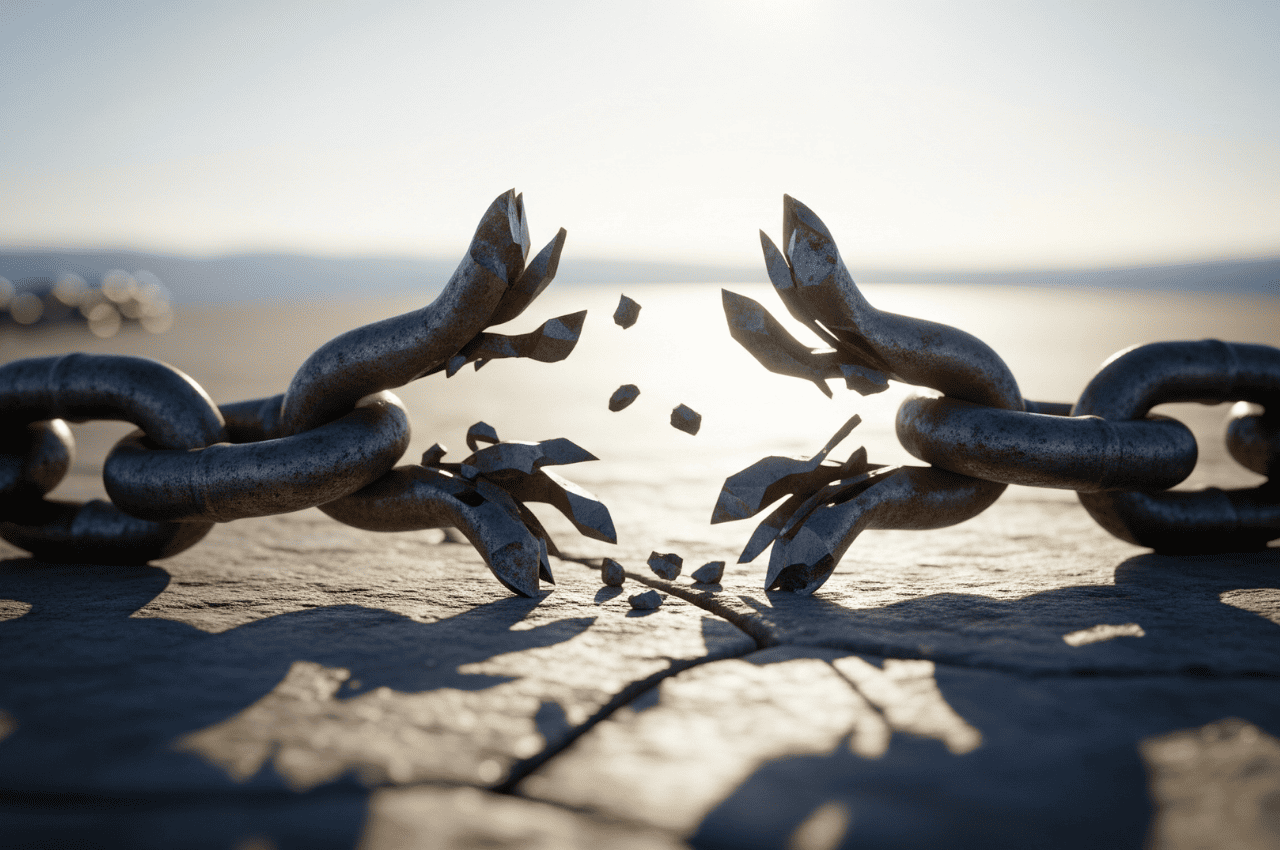

Vulnerability is often misunderstood as a sign of weakness, but in reality, it is a powerful strength. It involves being open and honest about your feelings, challenges, and imperfections, even when it feels uncomfortable. Far from making you weaker, embracing vulnerability can accelerate your personal growth, improve your relationships, and increase your emotional resilience.
What Vulnerability Really Means
Vulnerability is about authenticity — showing up as your true self without hiding behind a mask. It means being willing to share your struggles, ask for help, and admit that you don’t have all the answers. This openness creates deeper human connections and fosters trust.
Why Many People Avoid Vulnerability
- Fear of judgment or rejection
- Desire to appear strong and independent at all times
- Past experiences where openness led to hurt
- Belief that vulnerability is the opposite of control
While these fears are understandable, avoiding vulnerability often leads to isolation and missed opportunities for growth.
The Role of Vulnerability in Personal Growth
1. Builds Deeper Connections
When you open up to others, you create space for genuine understanding and empathy. People relate more to authenticity than to perfection.
2. Encourages Self-Acceptance
By acknowledging your imperfections, you stop striving for an impossible ideal and start embracing who you truly are.
3. Fosters Courage and Resilience
Every time you choose vulnerability over hiding, you strengthen your emotional courage and learn that you can survive discomfort.
4. Promotes Learning and Adaptability
Being open to feedback — even when it’s uncomfortable — allows you to grow and adapt faster.
How to Practice Healthy Vulnerability
Start Small
Share your thoughts and feelings with trusted friends or family before opening up in broader contexts.
Be Selective
Vulnerability does not mean telling everyone everything. Choose safe spaces and supportive people to share with.
Pair Openness with Boundaries
It’s possible to be vulnerable while still protecting your emotional well-being. You decide what and when to share.
Accept Discomfort
Vulnerability can feel uncomfortable at first, but over time it becomes a natural and freeing part of self-expression.
The Connection Between Vulnerability and Confidence
Paradoxically, vulnerability can make you feel more confident. When you stop pretending to be perfect, you remove the fear of being “found out” and allow yourself to live authentically.
Final Thoughts: Strength in Openness
Vulnerability is not about oversharing or seeking pity — it’s about being brave enough to be real. By embracing it, you open the door to deeper connections, greater self-awareness, and a richer, more fulfilling life. In personal development, vulnerability isn’t a weakness to be avoided — it’s a strength to be cultivated.