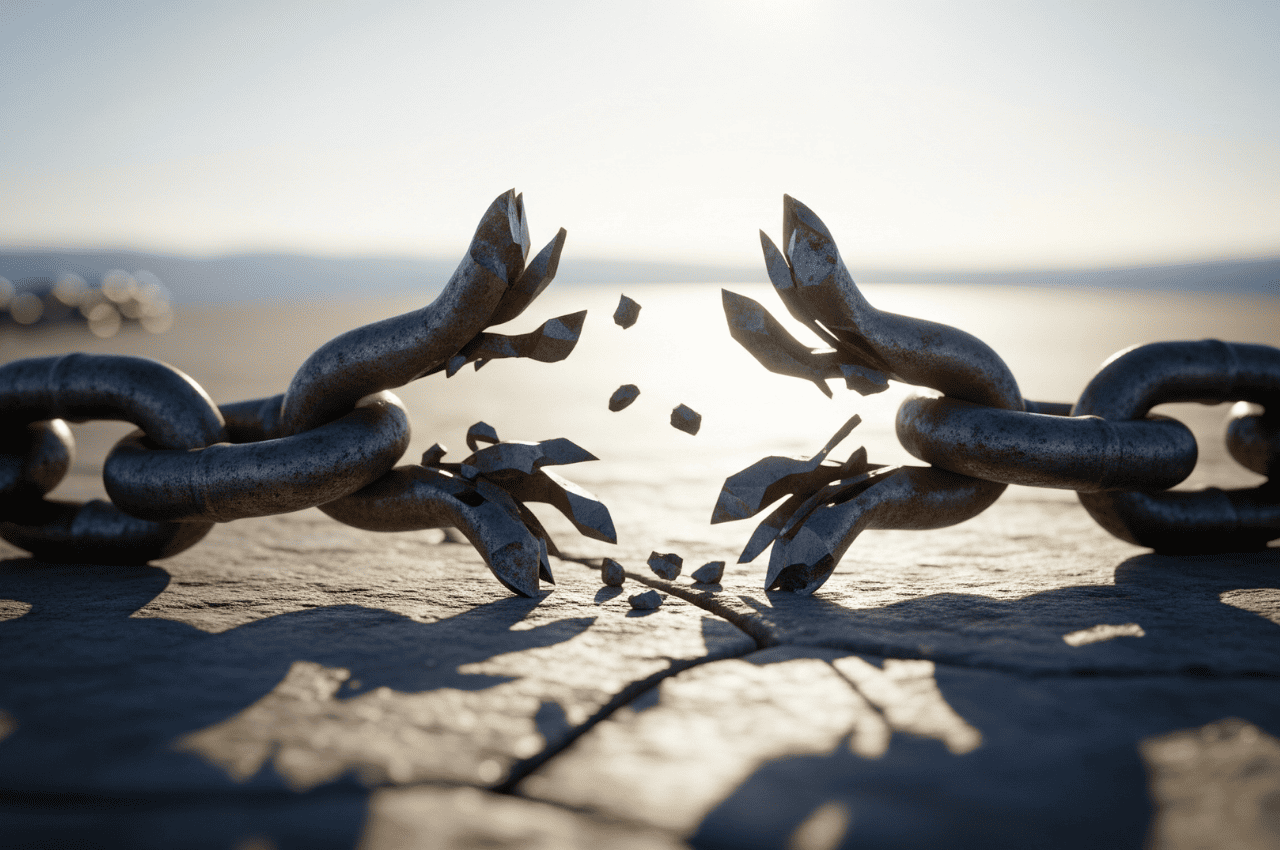

Life is full of unpredictable twists, and setbacks are part of everyone’s journey. Some people recover quickly from challenges, while others remain stuck in frustration or self-doubt. The difference lies in resilience—the skill of adapting, learning, and moving forward, even in the face of adversity. Building resilience doesn’t mean ignoring pain or pretending everything is fine. It’s about strengthening your mindset, creating healthy habits, and developing strategies that allow you to bounce back stronger than before.
Understanding What Resilience Truly Means
Resilience is not the absence of struggle; it is the capacity to rise after being knocked down. According to the American Psychological Association (APA), resilience involves behaviors, thoughts, and actions that can be learned and developed by anyone. In practice, resilient people accept challenges, adapt their approach, and continue pursuing meaningful goals. Instead of defining themselves by setbacks, they see difficulties as temporary and manageable. This mindset doesn’t remove discomfort, but it gives people the ability to navigate life’s ups and downs with confidence.
The Psychology Behind Recovery
Scientific studies highlight that resilience is closely linked to optimism, emotional regulation, and problem-solving skills. Research from Harvard Health Publishing shows that gratitude, social connections, and daily routines that strengthen well-being can reduce the impact of stress on the brain. These findings confirm that resilience is not an innate gift but a skill that grows when consistently practiced. Each time you recover from a challenge, you reinforce your brain’s ability to deal with the next one more effectively.
Step 1: Reframe Setbacks as Opportunities
One of the first steps to becoming resilient is learning to reframe how you interpret setbacks. Instead of asking “Why did this happen to me?”, try asking “What can I learn from this experience?” A failed job interview, for example, can highlight areas to improve in communication or preparation. This perspective doesn’t erase disappointment, but it prevents you from falling into destructive patterns of negative self-talk. You begin to see difficulties not as permanent barriers but as lessons that prepare you for future opportunities.
Related reading: How to Stop Self-Sabotage and Reach Your Goals.
Step 2: Build a Strong Support System
Resilience is strengthened by relationships. Having people to rely on during difficult times provides emotional support and practical advice. Friends, family, mentors, or colleagues can remind you of your strengths when you’re feeling discouraged. Studies in psychology show that people with strong social networks tend to recover from stress more quickly. To build this support system, start by reaching out to one or two people you trust. Even brief conversations can create perspective and reduce feelings of isolation.
Step 3: Focus on What You Can Control
When facing setbacks, it’s natural to focus on everything that went wrong or everything outside your control. This can increase frustration and reduce motivation. Resilient people, however, redirect their energy toward what they can influence. For instance, you cannot undo a lost opportunity, but you can work on building stronger skills for the next one. By identifying actionable steps, you shift from a passive victim mindset to an active problem-solver. This sense of agency is a powerful driver of recovery.
You may also like: 10 Morning Rituals of Highly Productive People.
Step 4: Establish Daily Habits That Build Strength
Resilience grows through consistent practices that prepare your body and mind for challenges. Simple daily habits can make a major difference, such as:
- Practicing mindfulness to increase awareness and reduce stress.
- Exercising regularly, even through short walks or stretching.
- Keeping a gratitude journal to reinforce optimism.
- Prioritizing quality sleep to maintain focus and emotional balance.
These routines may feel small, but they create a strong foundation that helps you remain steady when difficulties arise.
Step 5: Accept and Process Emotions
A common misconception about resilience is that you must hide your feelings. In truth, ignoring emotions only delays recovery. Accepting and processing what you feel is essential for moving forward. Journaling, meditation, or conversations with a trusted person can help you work through emotions in a constructive way. Acceptance does not mean approval—it simply acknowledges reality, allowing you to focus on the next steps without being trapped by denial or resistance.
Step 6: Stay Flexible and Adapt Quickly
Adaptability is at the core of resilience. Life rarely goes as planned, and those who recover quickly are often the ones willing to adjust. When one approach doesn’t work, resilient people are open to trying another. This flexibility reduces frustration and creates multiple paths toward progress. Think of adaptability as adjusting your sails when the wind changes—you don’t abandon the journey, you simply find a new way forward.
Step 7: Connect Challenges With Purpose
Resilience becomes stronger when setbacks are linked to a greater purpose. Ask yourself how this situation might strengthen your values or prepare you for future goals. For example, a professional rejection can fuel your commitment to growth, while personal struggles can deepen your empathy for others. When difficulties are connected to meaning, they transform into opportunities for growth rather than obstacles.
Step 8: Commit to Moving Forward
Recovering quickly doesn’t mean bouncing back overnight. It’s about taking consistent steps forward, even when progress feels slow. Each small action builds momentum and restores confidence. Resilience is less about speed and more about persistence—the decision to keep moving despite challenges. Over time, setbacks lose their power to define your story, and you begin to view them as stepping stones in your journey of growth.
Final Reflection: Resilience as a Lifelong Skill
Building resilience is not a one-time achievement; it’s an ongoing process that develops with each experience. By reframing setbacks, strengthening your support system, focusing on what you can control, and cultivating healthy habits, you create a personal toolkit that allows you to recover more quickly and effectively. With resilience, obstacles stop being roadblocks and start becoming opportunities for transformation.