
Discipline is one of the most important skills you can develop if you want to achieve your goals, improve your habits, and create a better life. However, many people associate discipline with rigidity, pressure, and even burnout. The truth is, discipline doesn’t have to feel like punishment — it can be flexible, balanced, and even enjoyable when practiced the right way.
Understanding the Difference Between Discipline and Rigidity
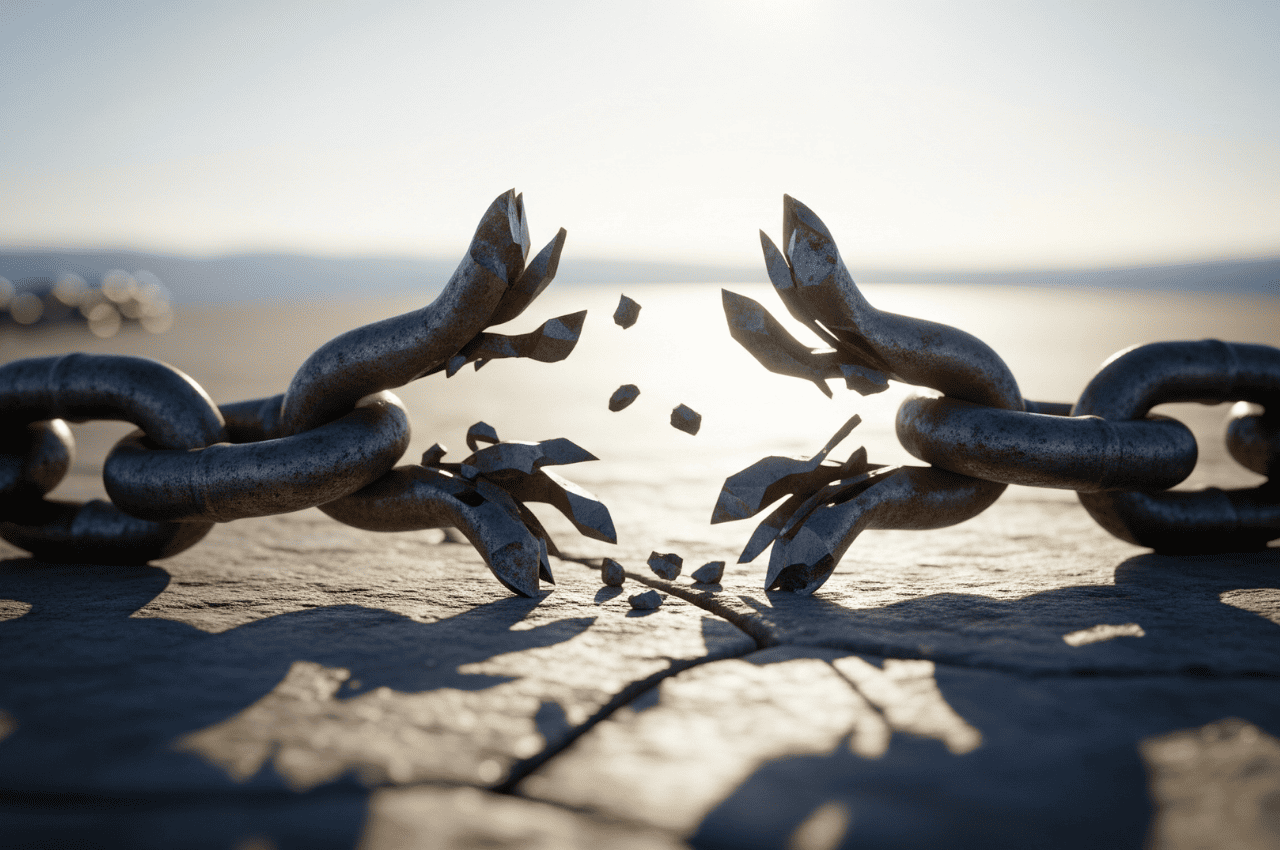
Discipline is about consistency, self-control, and taking intentional actions toward your goals. Rigidity, on the other hand, is about inflexibility and the inability to adapt when plans change. While discipline empowers you, rigidity can leave you feeling frustrated and stuck.
Why Many People Struggle with Discipline
- They try to change everything at once instead of taking small steps
- They set unrealistic goals that are impossible to maintain
- They punish themselves for mistakes instead of learning from them
- They confuse strict routines with true self-control
Strategies to Build Discipline Without Becoming Rigid
1. Start Small and Build Gradually
Choose one or two habits to focus on and increase your efforts over time. This prevents overwhelm and makes success more sustainable.
2. Set Flexible Rules
Have a clear plan but allow for adjustments when necessary. Life is unpredictable, and flexibility helps you stay on track without unnecessary stress.
3. Focus on Systems, Not Just Goals
Instead of obsessing over the end result, create daily routines and processes that naturally lead you to success.
4. Reward Progress, Not Just Perfection
Acknowledge your achievements, no matter how small. This builds motivation and reinforces good behavior.
5. Practice Self-Compassion
When you slip up, avoid negative self-talk. Use mistakes as learning opportunities instead of reasons to give up.
Examples of Flexible Discipline in Action
- Following a workout schedule but allowing yourself to swap days when life gets busy
- Sticking to a healthy eating plan but enjoying a treat occasionally without guilt
- Setting a writing goal but allowing yourself to adjust the daily word count when inspiration or time is limited
The Benefits of Balanced Discipline
- Reduced stress and burnout
- Greater long-term consistency
- More joy in the process of growth
- Improved adaptability in different life situations
Final Thoughts: Discipline as a Lifestyle, Not a Prison
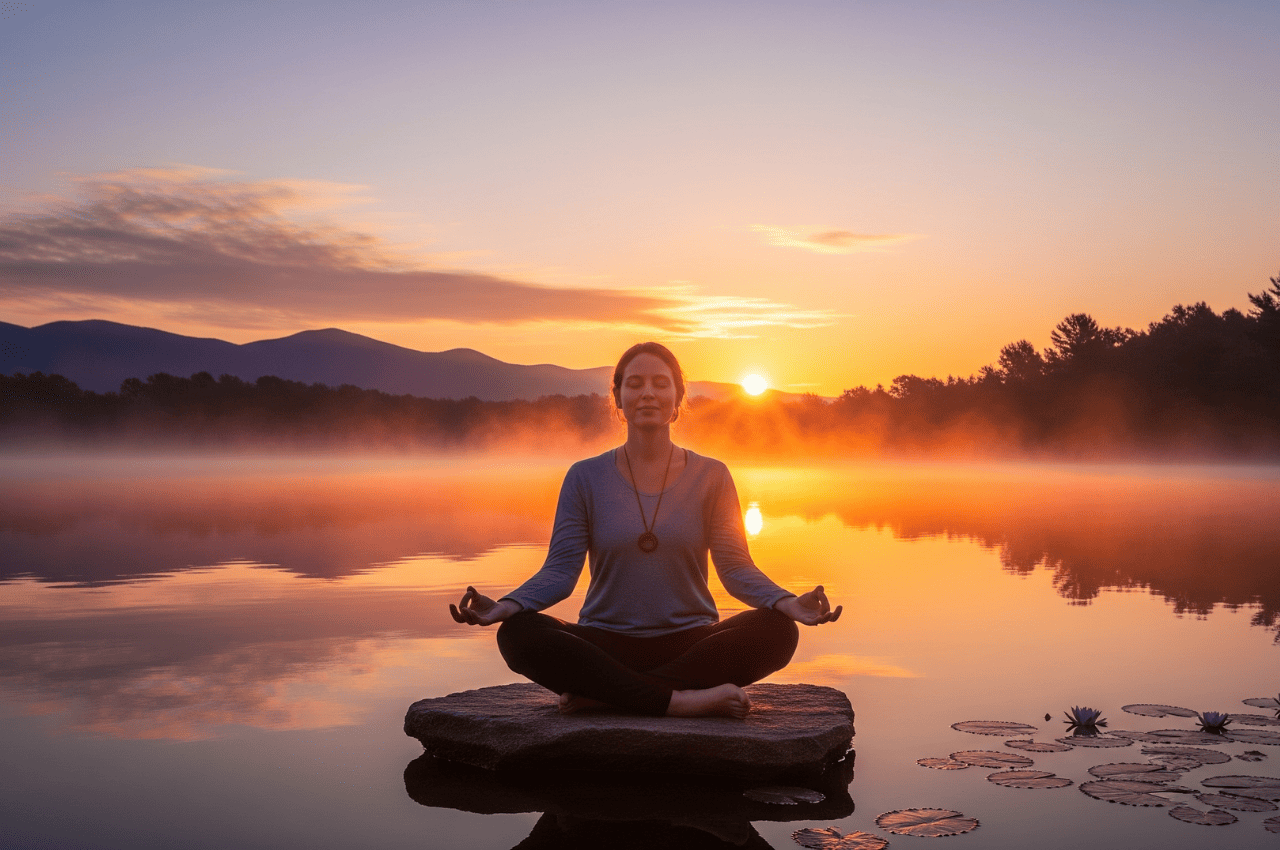
True discipline is about empowering yourself, not restricting your life. By finding the balance between consistency and flexibility, you can create habits that last without feeling trapped by them. The goal is progress, not perfection — and with the right mindset, discipline can become one of your greatest allies in achieving personal and professional success.