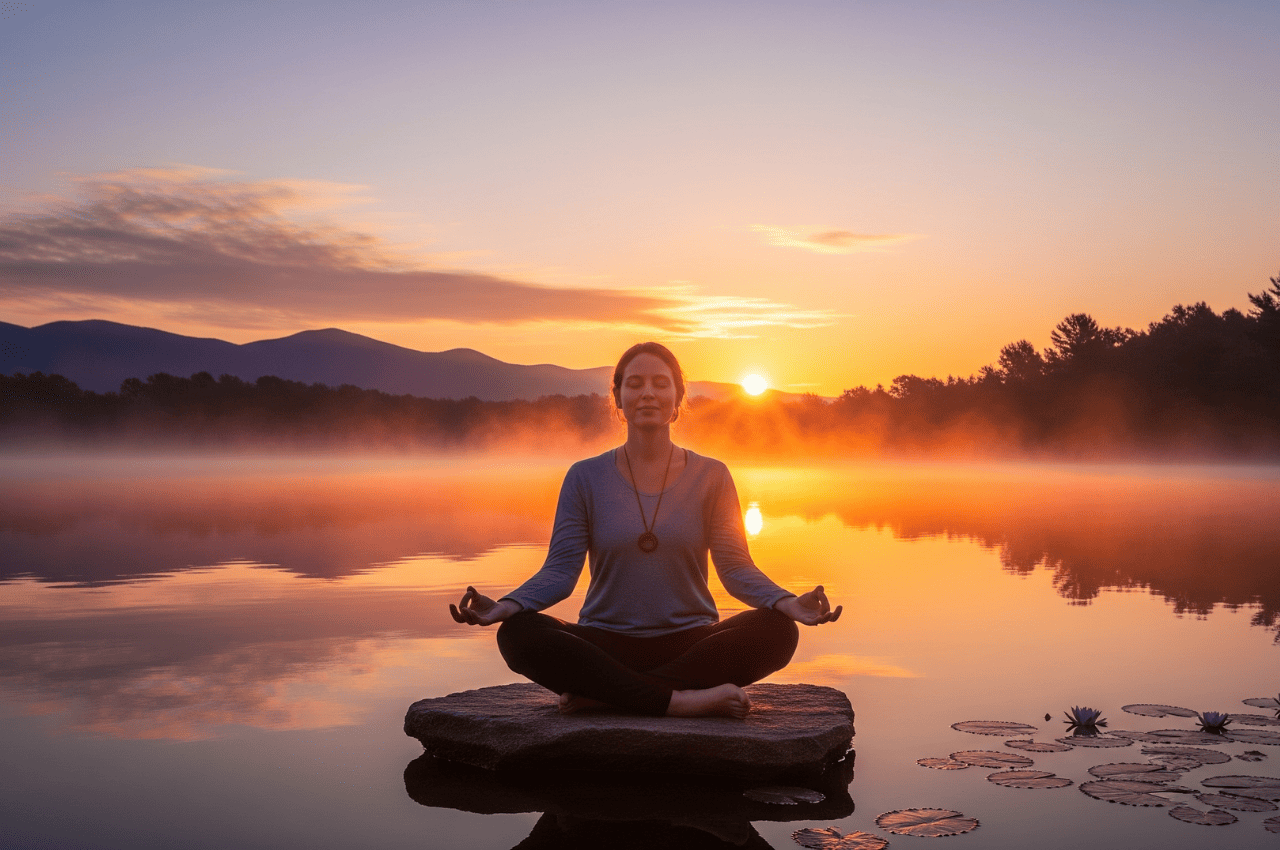
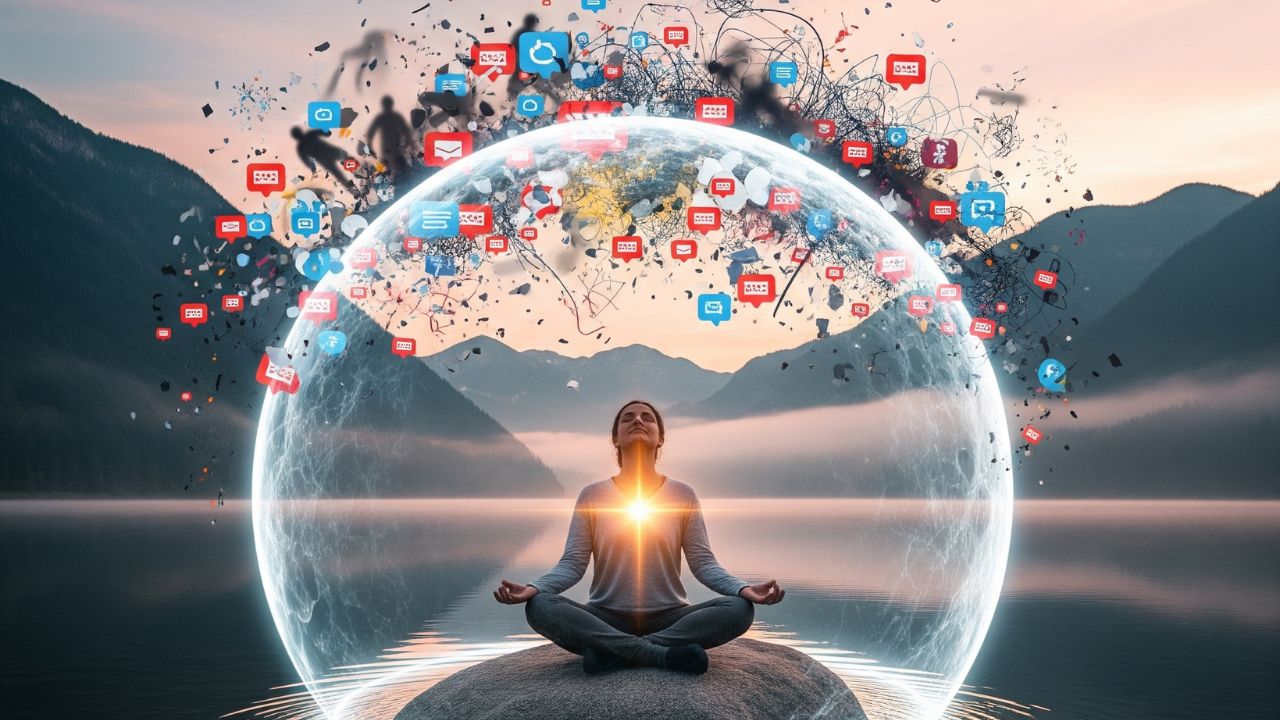
In a fast-paced world filled with constant noise, endless notifications, and never-ending to-do lists, it’s easy to feel overwhelmed and disconnected from ourselves. Meditation offers a way to slow down, reconnect, and find balance — even in the middle of chaos. It’s not just about sitting cross-legged in silence; it’s about creating space for clarity, peace, and intentional living. This article will explore how meditation can improve your life, the different types of meditation, and practical tips to get started.
What Is Meditation?
Meditation is a practice of focusing your attention and calming your mind. While it often involves sitting still, it’s not about “turning off” your thoughts. Instead, it’s about observing them without judgment and gently bringing your attention back to the present moment. Over time, meditation trains your brain to be less reactive, more focused, and more at peace.
Why Meditation Matters for a Better Life
Meditation is more than a wellness trend — it’s a scientifically proven tool for improving mental, emotional, and even physical well-being. Some of its most impactful benefits include:
- Reduced stress and anxiety: Meditation lowers cortisol levels, helping you feel calmer and more in control.
- Improved focus: It strengthens your attention span and reduces distractions.
- Better emotional regulation: You learn to respond thoughtfully instead of reacting impulsively.
- Greater self-awareness: Meditation helps you notice your patterns and habits.
- Enhanced overall happiness: Regular practice can improve your mood and sense of fulfillment.
Popular Types of Meditation
Not all meditation looks the same. Here are a few common types to explore:
Mindfulness Meditation
Focus on your breath, bodily sensations, or surroundings. When your mind wanders, gently return your attention to the present.
Guided Meditation
Listen to an instructor or audio guide who walks you through a visualization or relaxation exercise. Great for beginners.
Loving-Kindness Meditation
Focus on sending compassion to yourself and others, even people you find challenging. This helps build empathy and emotional resilience.
Body Scan Meditation
Pay attention to each part of your body, noticing tension and consciously relaxing those areas.
Movement-Based Meditation
Activities like yoga, tai chi, or mindful walking integrate movement and mindfulness.
How to Start Meditating
1. Choose a Quiet Space
Find a place where you won’t be disturbed. It doesn’t have to be perfectly silent — just somewhere calm and comfortable.
2. Start Small
Begin with 5 minutes a day. As you get more comfortable, gradually increase to 10, 15, or 20 minutes.
3. Focus on Your Breath
Your breath is a simple and powerful anchor. Pay attention to each inhale and exhale.
4. Expect Wandering Thoughts
It’s normal for your mind to drift. The goal isn’t to stop thinking, but to notice when you’ve wandered and bring your focus back.
5. Use Apps or Guides
Apps like Headspace, Calm, or Insight Timer offer helpful meditations for beginners.
Overcoming Common Meditation Myths
- “I don’t have time.” Even a few minutes can make a difference.
- “I’m bad at it.” There’s no such thing. Every session is practice.
- “It’s only for spiritual people.” Meditation is for anyone seeking focus, calm, and self-awareness.
The Life-Changing Benefits of Meditation
With consistent practice, meditation can transform your daily experience. You may find yourself less reactive during stressful moments, more patient in relationships, and better able to enjoy the present. Physically, you may sleep better, feel less tense, and have more energy.
Final Thoughts: Meditation as a Daily Habit
Meditation isn’t a quick fix, but rather a lifelong tool for living better. By making it a part of your daily routine, you create a mental and emotional anchor — something you can return to no matter what life throws your way. The beauty of meditation is that it’s always available to you. All it takes is a few minutes, an open mind, and the willingness to sit with yourself.