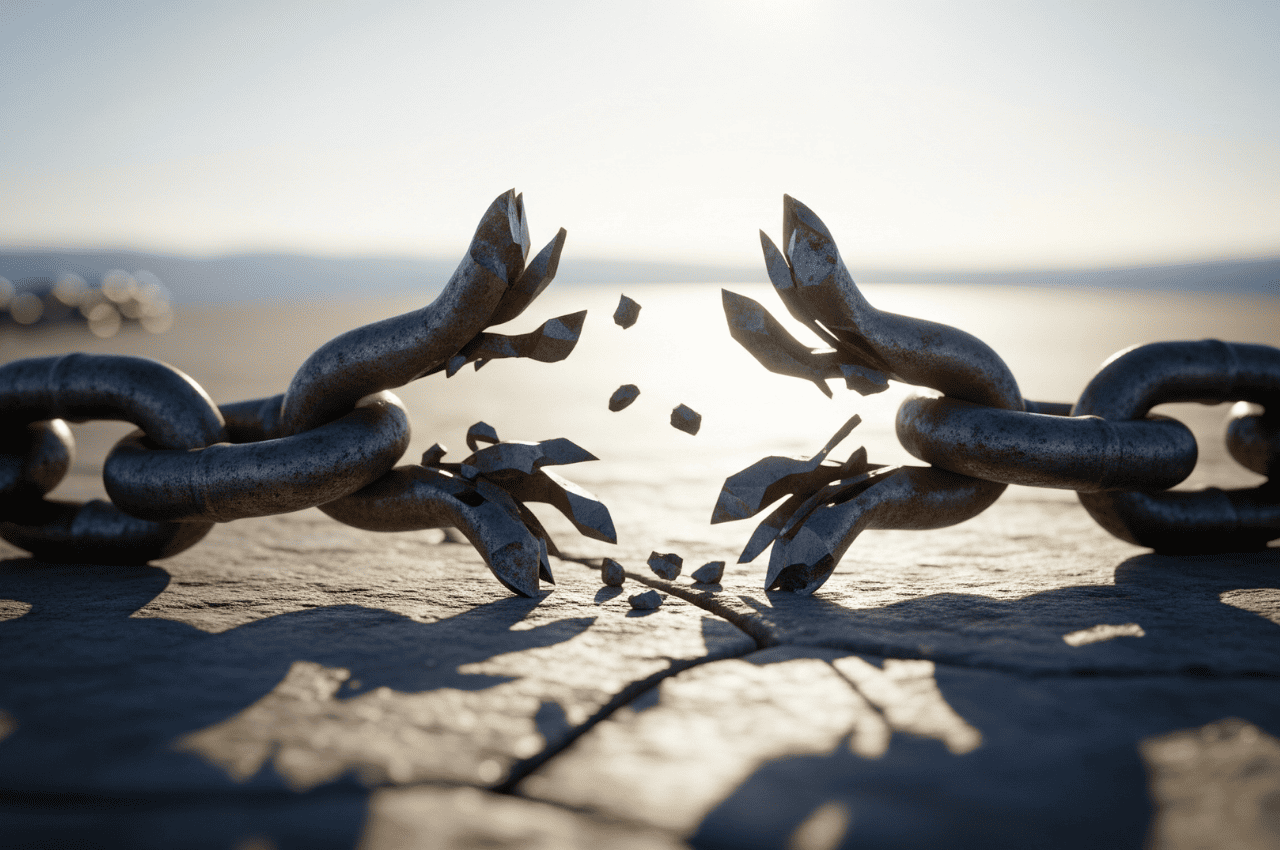

Forgiveness is often misunderstood. Many people think it means forgetting, excusing bad behavior, or pretending nothing happened. But real forgiveness is something much deeper — and far more powerful. It’s not about the other person. It’s about your peace, your freedom, and your ability to move forward. Holding on to resentment, anger, or pain keeps you stuck. Forgiveness releases you. In this article, we’ll explore how forgiveness supports personal growth and how you can begin to embrace it in your life.
What Forgiveness Really Means
Forgiveness is the conscious decision to release feelings of resentment, bitterness, or anger toward someone who hurt you — even if they never apologize. It doesn’t mean you condone their behavior. It doesn’t mean the pain didn’t matter. Forgiveness simply means you’re choosing peace over poison. It’s a gift you give yourself to stop carrying the weight of past wounds.
Why Forgiveness Matters for Growth
Holding onto anger or pain from the past can affect every part of your life. It drains your energy, clouds your thinking, and blocks your progress. When you forgive, you create space for:
- Emotional healing
- Mental clarity
- Healthier relationships
- Personal empowerment
- Inner peace
Forgiveness helps you take back control of your story and grow into the person you want to become — instead of staying stuck in what someone else did.
Forgiveness Is for You, Not for Them
You don’t forgive someone because they deserve it. You forgive because you deserve peace. The person who hurt you may never understand or apologize. But your healing doesn’t depend on them. Forgiveness is a personal, internal choice — one that allows you to stop replaying the pain and start reclaiming your power.
What Happens When You Don’t Forgive
Unforgiveness doesn’t protect you — it poisons you. It often leads to:
- Chronic stress or anxiety
- Tension in relationships
- Difficulty trusting others
- Physical symptoms like headaches or fatigue
- A negative loop of thoughts and emotions
The longer you hold onto anger or resentment, the more it impacts your well-being and your ability to grow.
Common Myths About Forgiveness
Let’s clear up a few misconceptions:
- Forgiveness is not weakness. It takes strength and courage.
- Forgiveness is not forgetting. You can remember and still choose peace.
- Forgiveness doesn’t require reconciliation. You can forgive someone and still set boundaries.
- Forgiveness doesn’t happen instantly. It’s a process — and that’s okay.
Understanding these truths can help you open the door to true healing.
Steps to Practice Forgiveness
Forgiveness is personal, but here are some steps to help guide the process:
1. Acknowledge the Pain
Be honest about what happened and how it made you feel. Suppressing your emotions only delays healing.
2. Reflect on the Impact
How has holding onto this pain affected your life? What would change if you let it go?
3. Choose to Forgive
You don’t have to feel ready — just be willing. Say to yourself: “I choose to release this pain and take back my peace.”
4. Set Boundaries if Needed
Forgiveness doesn’t mean giving unlimited access to someone who hurt you. You can forgive and still protect your space.
5. Practice Self-Compassion
If you’re struggling to forgive yourself, remember that everyone makes mistakes. Growth includes learning, not punishing.
Forgiving Yourself Is Equally Important
Sometimes, the hardest person to forgive is ourselves. Maybe you made a choice you regret, hurt someone, or feel ashamed of your past. But self-forgiveness is part of self-love. Remind yourself:
- You are human
- You are learning
- You are still worthy of love and peace
Accepting yourself — flaws and all — is one of the greatest acts of healing.
How Forgiveness Transforms Your Life
When you forgive, something shifts inside you. You stop being defined by pain. You stop carrying stories that no longer serve you. You free up energy to invest in what really matters: your future, your peace, your joy. Forgiveness clears the emotional space needed for growth, clarity, creativity, and deeper relationships.
Final Thoughts: Forgiveness Is a Choice That Sets You Free
Forgiveness isn’t about forgetting. It’s about choosing to stop reliving the pain. It’s about giving yourself permission to heal. The path to forgiveness might be difficult — but it’s one of the most transformative journeys you can take. When you forgive, you take your power back. You make room for peace. And you move forward — stronger, lighter, and more free than ever before.